
Who leads the FBI now?
Kash Patel is the current FBI Director. The public record does not identify the individual author or final approving official for the June 16 internal hiring communication.

Identity and position source: FBI.gov
Current FBI Director
Kash Patel
Patel became FBI Director in February 2025 and was leading the bureau when the June 2026 changes were reportedly communicated. CBS reported that Patel had publicly defended broader efforts to modernize hiring requirements and attract candidates.
What can be said responsibly: the policy change occurred under his leadership.
What has not been established publicly: that Patel personally drafted, signed or ordered the specific prostitution, employer-theft, bestiality or animal-cruelty thresholds. The June 16 electronic communication has not been publicly released in full.
Why this distinction matters
Agency heads are responsible for overall leadership, but internal policy can be developed and approved through human-resources, security, legal and executive channels. Naming a specific decision-maker requires the actual memo, an official statement or corroborated reporting.

Image source: Wikimedia Commons; U.S. government work
The symbol under scrutiny
Fidelity. Bravery. Integrity.
The FBI seal makes the controversy especially striking because the bureau's motto expressly emphasizes integrity. Hiring standards for positions involving arrests, sworn testimony, firearms, classified information and vulnerable victims are therefore judged against an unusually high public-trust standard.
The question is not simply whether a past act remains an automatic checkbox disqualifier. It is whether the individualized process can reliably distinguish victims, immature one-time conduct, deliberate cruelty, criminal patterns, dishonesty and continuing security risk.
The newest reported changes
CBS News described the internal guidance; the public FBI eligibility page does not publish this detailed list.
| Conduct | Earlier treatment | Newest reported standard | Important limit |
|---|---|---|---|
| Soliciting prostitution | Automatic bar | May receive case-by-case consideration if it occurred more than 10 years ago and fewer than three times. | A person in a position of trust—such as public safety, education, health, social work, finance or law—would reportedly remain automatically disqualified. |
| Employer theft | Automatic bar | May no longer automatically disqualify an applicant if it occurred more than three years ago. | Further suitability and security review still applies; passing a timing threshold is not approval. |
| Bestiality or animal cruelty | Automatic bar | An applicant may reportedly still be considered if the incident occurred before age 18. | The reported guidance does not itself guarantee hiring. CBS sources said it did not clearly distinguish coerced conduct from voluntary conduct. |
| Special-agent experience | Two years of post-college law-enforcement experience was described as the prior window. | Director Kash Patel said applicants with one year in law enforcement may now be considered. | The public FBI site still lists role-specific qualifications, testing and clearance requirements. |
| Internal applicant assessments | Interview and writing assessment for certain current FBI employees seeking agent roles. | Reuters reported in February that the FBI planned to remove those steps for some internal applicants. | This is separate from the June conduct guidance and does not remove the background investigation. |
| Bachelor's-degree requirement | A bachelor's degree has long been required for special-agent applicants. | News reports in August 2025 said Patel and then-Deputy Director Dan Bongino were pushing to eliminate the degree requirement. | Reported proposal—not the current published rule. FBIJobs currently requires a bachelor's degree for GL-9, GL-10 and the experienced 1811 special-agent initiative. |
| Quantico training length | New-agent Basic Field Training was approximately 18 weeks. | August 2025 reports described a proposal to reduce some new-agent training from 18 weeks to eight weeks. | Not reflected in current official guidance. FBI.gov and FBIJobs currently state that the Basic Field Training Course lasts approximately 18 weeks and exceeds 800 hours. |
| Past marijuana use | Earlier FBI policy used longer exclusion periods for past cannabis use. | The published February 2025 policy uses a one-year lookback: no marijuana or cannabis use in any form or location during the year before applying. | Current use, lying about drug history, or violating the drug policy remains disqualifying. Other illegal drugs generally carry a 10-year lookback. |
Why would bestiality be included?
The FBI's stated explanation and the unresolved problem are not the same thing.
The FBI's explanation
An FBI spokesperson said the change addresses rare cases in which an applicant was sexually abused involving animals as a child. In that circumstance, the person may be a victim—not a perpetrator—and a blanket polygraph rule could unfairly eliminate them for conduct outside their control.
This explains why age and individual context might matter.
Why the language remains troubling
Sources familiar with the new guidance told CBS that it does not clearly separate coerced childhood victimization from willing acts. If accurately described, a broad “under 18” threshold reaches further than the FBI's victim-protection explanation and leaves major questions about judgment, violence, vulnerability to blackmail and suitability for sensitive law-enforcement work.
What has—and has not—been confirmed
A careful reading prevents a sensational headline from turning into a false claim.
| The FBI changed eligibility guidance. | Confirmed | An FBI spokesperson confirmed that some eligibility requirements changed, while disputing the idea that the bureau accepts applicants with histories of criminal sexual acts. |
| The detailed thresholds are visible on FBIJobs.gov. | No | The current public page lists broad requirements but does not publish the prostitution, employer-theft or bestiality thresholds. Those specifics come from news reporting about an internal memo. |
| Bestiality is now acceptable at the FBI. | False framing | The reported change removes an automatic bar for some pre-18 conduct. It does not label the behavior acceptable, waive all vetting or promise employment. |
| A candidate who clears one threshold will be hired. | False | The candidate can still fail suitability review, interviews, testing, the polygraph, the background investigation or the Top Secret clearance process. |
The public FBI standards that still apply
As listed on FBIJobs.gov on August 30, 2026.
Baseline eligibility
U.S. citizenship; no felony conviction; compliance with drug policy; urinalysis and background investigation; student loans in good standing; required taxes filed; court-ordered child support current; no participation in organizations designed to overthrow the U.S. government; and Selective Service registration for applicable male applicants.
Security and final hiring
Applicants proceed through eligibility review, interviews and testing, a conditional offer, and a background investigation that includes a polygraph for a Top Secret security clearance. Only after successfully completing that process can an applicant receive a final offer.
Reported proposals versus the rules currently published
Some widely repeated “changes” were reported as plans in 2025 but do not match the FBI's current public requirements.
| Issue | What was reported | Current official position | QBH finding |
|---|---|---|---|
| College degree | Reports said leadership planned to eliminate the degree requirement for new agents. | FBIJobs currently requires a bachelor's degree: GL-9 applicants need a degree plus one year of sworn law-enforcement experience, or an advanced degree; GL-10 applicants need a degree plus qualifying professional experience. | Not currently implemented publicly |
| Academy training | Reports said training could be shortened from 18 weeks to eight. | The current FBI training page says new agents receive more than 800 hours during an approximately 18-week program. The current application page also says BFTC lasts 18 weeks. | Current rule remains 18 weeks |
| Marijuana | The FBI has progressively relaxed older cannabis restrictions as legalization and social use changed. | The February 2025 eligibility guide bars marijuana or cannabis use during the one year preceding application. It applies regardless of form or whether use occurred domestically or abroad. | Confirmed published policy |
Why the distinction matters
The degree and eight-week training claims should not be presented as current facts. They were reported proposals, while the FBI's live pages still require a degree and describe an 18-week course. The article now records both the reports and the current official contradiction.
QBH analysis: the question the FBI must answer
If the purpose is to protect survivors of childhood abuse, why does the reported standard not explicitly require proof that the applicant was coerced or victimized—and why use a blanket under-18 cutoff for conduct as serious as bestiality or animal cruelty?
The strongest policy would clearly separate victims from voluntary perpetrators, require specialized psychological and suitability review, document the waiver rationale, and preserve consistent standards for positions with access to witnesses, evidence, firearms and classified information. Without that clarity, the rule invites public distrust even if its original purpose was compassionate.
A crucial distinction: applicant review changed, employee conduct did not
The reported hiring exception does not repeal the Justice Department's rule for people already working for DOJ.
Current DOJ personnel remain prohibited from buying sex
An April 2015 Attorney General memorandum prohibits DOJ personnel—including law-enforcement officers—from soliciting, procuring or accepting commercial sex at any time during employment, even off duty and even where it is legal or tolerated. The memo identifies extortion, blackmail, classified-information leaks and human trafficking as central risks.
Past conduct versus conduct while employed
The new controversy concerns whether some past behavior should automatically stop an application. Once hired, DOJ's employee prohibition still applies. An applicant possibly receiving individualized review is therefore not permission for an FBI employee to engage in the same conduct.
That distinction should appear in any accurate headline or social-media summary.
The institution behind the controversy
These rules do not concern an ordinary workplace. FBI employees may handle classified intelligence, criminal evidence, vulnerable witnesses and matters of national security.

Image source: FBI.gov

Image source: FBI.gov
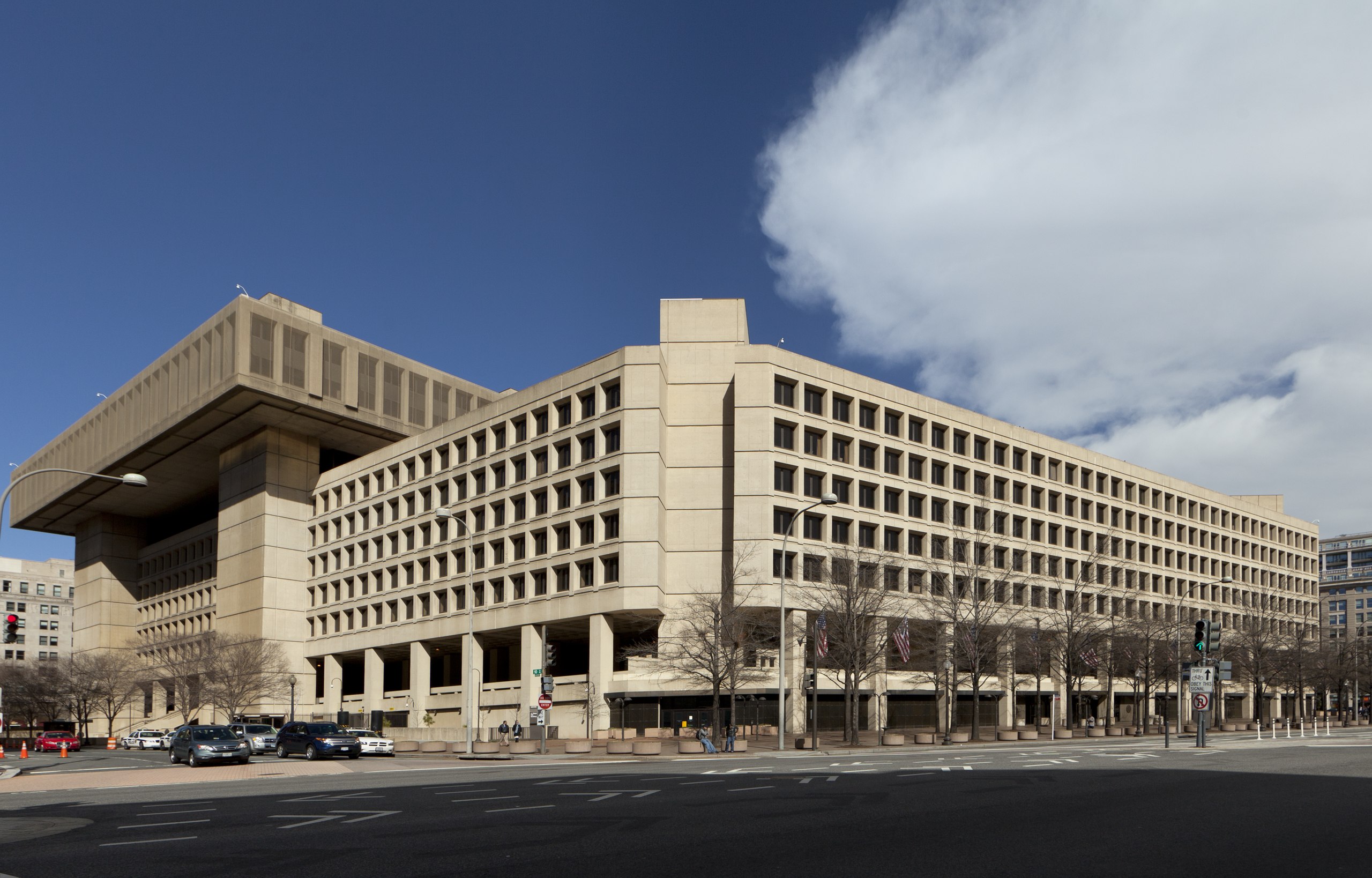
Image source: Library of Congress
How the story developed
The controversy combines a nonpublic June memo, a changed public webpage and later reporting from multiple news organizations.
Prostitution and bestiality appeared as automatic disqualifiers
CBS News located an archived FBI special-agent eligibility document that expressly identified engagement in prostitution or bestiality as conduct triggering automatic disqualification.
Broader recruiting standards were already changing
News reporting described other revisions, including experience and training requirements, while the FBI publicly argued that it was modernizing outdated barriers and still screening candidates rigorously.
Reuters reported planned changes for some internal candidates
The FBI planned to remove the interview and writing assessment for certain existing employees applying to become special agents. This was a separate change from the conduct rules reported later.
Internal electronic communication reportedly issued
According to CBS sources, background-investigation personnel received new thresholds governing prostitution, employer theft, bestiality and animal cruelty.
Director Patel defended modernization
In an interview, Kash Patel said older requirements were costing the bureau qualified candidates. He cited allowing applicants with one year—not two—of law-enforcement experience, while insisting standards were not being reduced.
The detailed conduct rules became public through reporting
CBS first reported the details; AP and other outlets followed. The FBI confirmed that eligibility requirements had changed but described the exceptions as narrow and linked them partly to victims of abuse.
Where the changed rule fits in the hiring process
Removing an automatic disqualifier mainly affects the gateway into further review. It does not erase the rest of the process.
The practical effect
Before the reported change, admitting certain conduct could stop the application automatically. Now, some applicants may continue long enough for investigators to examine context, age, frequency, coercion, rehabilitation and security risk. The controversy is over who deserves that individualized review and what conduct should remain beyond consideration.
Three terms that should not be confused
Much of the public argument collapses different decisions into the word “hired.”
Eligible to apply
The candidate is not blocked by a threshold rule and may move forward. This is the narrowest decision.
Suitable for employment
The FBI evaluates judgment, honesty, conduct patterns, rehabilitation and whether employment serves the efficiency and integrity of the service.
Eligible for clearance
A national-security review asks whether the person can safely receive classified access. A candidate can clear one stage and fail another.
Why automatic disqualifiers exist—and why agencies sometimes replace them
The case for a bright line
Automatic exclusions produce consistency, shorten investigations and protect public confidence. For a law-enforcement agency, past criminal or exploitative conduct can create credibility problems in court, expose an employee to blackmail and undermine investigations involving similar crimes.
A prosecutor may also have to disclose credibility-related information about an agent. Defense attorneys can attack an investigator's judgment or honesty, even when the past conduct never produced a conviction.
The case for individualized review
Rigid rules can treat a victim like a perpetrator, ignore conduct that was legal where it occurred, or permanently exclude a rehabilitated person without examining age or circumstances. A case-by-case process can recognize coercion, abuse and maturation.
The legitimacy of that approach depends on precise definitions, trained reviewers, written reasons and consistent safeguards. Vague exceptions create the appearance of favoritism or lowered standards.
Visual breakdown: what changed—and what did not
The deeper concerns raised by former agents and attorneys
The debate is not limited to moral outrage. It reaches operational risks that can follow an agent throughout a career.
Blackmail and coercion
Undisclosed or shame-producing conduct can be exploited by criminals or foreign intelligence services. Full candor reduces—but does not automatically eliminate—that vulnerability.
Courtroom credibility
Agents testify, swear affidavits and help establish probable cause. Past dishonesty, theft or serious misconduct can become impeachment material and complicate prosecutions.
Mission conflict
The FBI investigates human trafficking, public corruption, animal cruelty connected to other federal offenses and crimes involving vulnerable victims. Critics question whether certain histories conflict with those duties.
Unequal waivers
Without public criteria and audit trails, individualized exceptions can appear arbitrary—especially if influential candidates receive treatment unavailable to ordinary applicants.
Psychological suitability
Age matters, but it is not the only relevant factor. Reviewers would need to distinguish isolated juvenile conduct, coercion, a pattern of cruelty and continuing behavioral concerns.
Public trust
The bureau depends on voluntary cooperation from witnesses and communities. Even a technically defensible policy can damage trust when its language and safeguards are kept secret.
What the FBI should disclose
Reasonable transparency would not require exposing applicants or compromising security methods.
Does the exception apply only to victims of coercion or abuse, or also to voluntary conduct before age 18?
Does “animal cruelty” include all conduct, or are severity, pattern and criminal findings evaluated separately?
Who authorizes an exception, and is a written justification required?
Are specialized psychological or suitability assessments required in these cases?
How does the FBI ensure the new rules are applied consistently across offices, jobs and applicants?
How many applicants have proceeded under these exceptions, and how many ultimately received final offers?
Sources
Primary material first, followed by reporting on the nonpublic guidance.
FBIJobs — Eligibility and HiringOfficial current public requirements and hiring process.
CBS News — Internal hiring-guidance reportUpdated August 28, 2026; source for detailed thresholds and FBI response.
Associated Press — Prostitution policy changeIndependent reporting and additional context on individualized review.
Reuters — Internal-applicant vetting changesFebruary 19, 2026 reporting on planned interview and writing-assessment changes.
FBI — Training and the FBI AcademyOfficial context on Quantico and the bureau's training mission.
FBIJobs — Special Agent Application ProcessOfficial phase-by-phase description of assessment, medical review, polygraph and background investigation.
FBIJobs — Archived 2023 Special Agent FAQPrimary archived document listing “engagement in prostitution or bestiality” among automatic disqualifiers.
FBIJobs — 2025 Employment Eligibility GuideLater public eligibility document used to compare what language remained or disappeared.
Department of Justice — 2015 Prostitution MemorandumPrimary source explaining the continuing employee prohibition and the blackmail, leakage and trafficking concerns.
DOJ Inspector General — Investigative Summary 22-012Substantiated commercial-sex, foreign-contact and candor violations involving former FBI officials.
DOJ Inspector General — Investigative Summary 25-0662025 findings involving a former FBI supervisory special agent and use of an FBI device.
FBI Image Repository — FBI Academy at QuanticoSource page for the official Academy photograph used above.
FBI — Quantico Training Facility Turns 50Source page for the official new-agent firearms-training photograph.
Library of Congress — FBI Headquarters PhotographPublic-domain source record for the headquarters image.
FBIJobs — Current Special Agent RequirementsConfirms the bachelor's-degree requirement, external-applicant assessments and the 18-week Basic Field Training Course.
FBI — Current New-Agent TrainingConfirms more than 800 hours of instruction during an approximately 18-week program.
FedAgent — 2025 Degree and Training Proposal ReportSecondary account of reporting that leadership planned to remove the degree requirement and shorten training to eight weeks.
Verification note: The June 16 internal electronic communication has not been published in full. The detailed conduct thresholds are therefore attributed to CBS News and its sources, not presented as text independently verified from the memo. This article was last updated August 30, 2026.