
The short answer
No court has charged the president. Washington is acting as if one might.
The question behind this article is a simple one: is the International Criminal Court trying to prosecute the president of the United States and members of his administration? As of October 12, 2026, the documentary record gives a clear answer. No. The court’s Office of the Prosecutor has not announced a preliminary examination or an investigation that targets the president or any official of his administration. No prosecutor has asked judges for an arrest warrant against them, and no judge has issued one. The only live ICC investigation that has ever reached American personnel — the Afghanistan situation, which concerns conduct from 2003 onward by U.S. forces and the CIA — was deliberately set aside by the prosecutor in 2021 and has been described by the court’s own judges as dormant on that front.
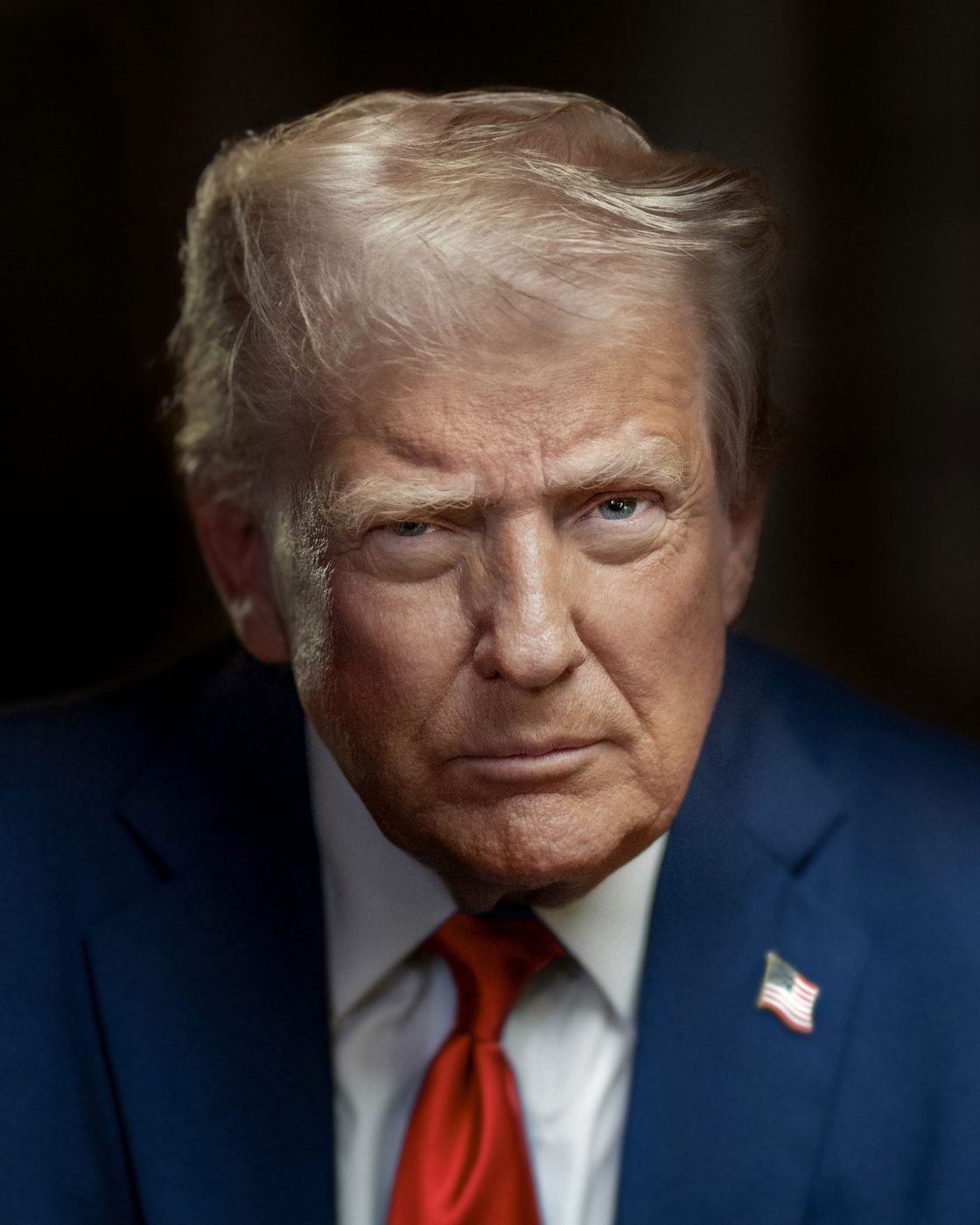
That answer is not the end of the story, because the U.S. government has spent most of 2025 and 2026 behaving as though a case were coming. On February 6, 2025, President Donald Trump signed Executive Order 14203, declaring a national emergency over “any effort by the ICC to investigate, arrest, detain, or prosecute” protected U.S. and allied persons. Since then the State and Treasury departments have placed seventeen people and organizations on the sanctions list in connection with the court — nine judges, the former chief prosecutor, both deputy prosecutors, a senior trial lawyer, a United Nations special rapporteur and three Palestinian human-rights groups. On October 9, 2026, three days before this article was finalized, Washington went further and designated the court itself.
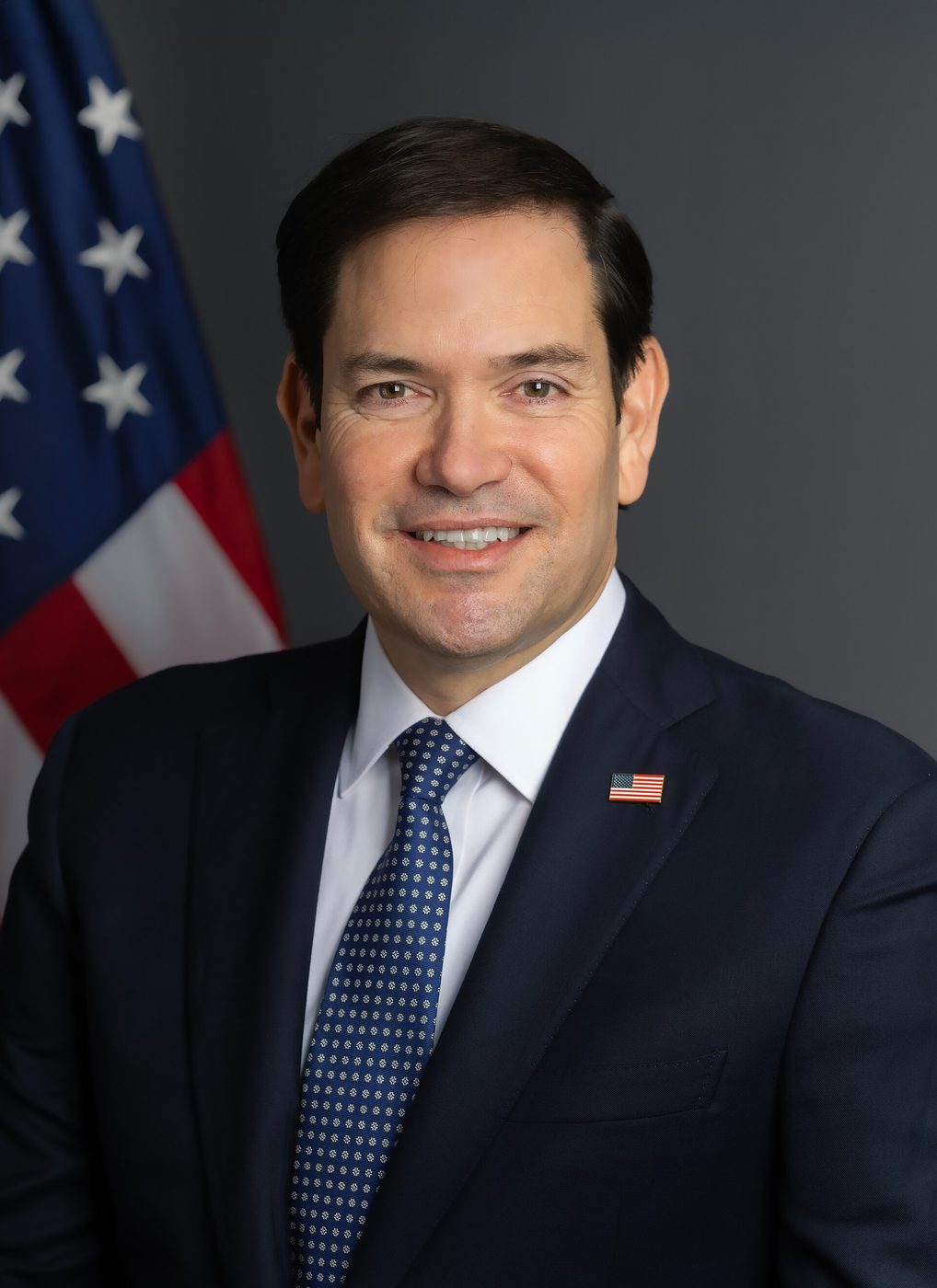
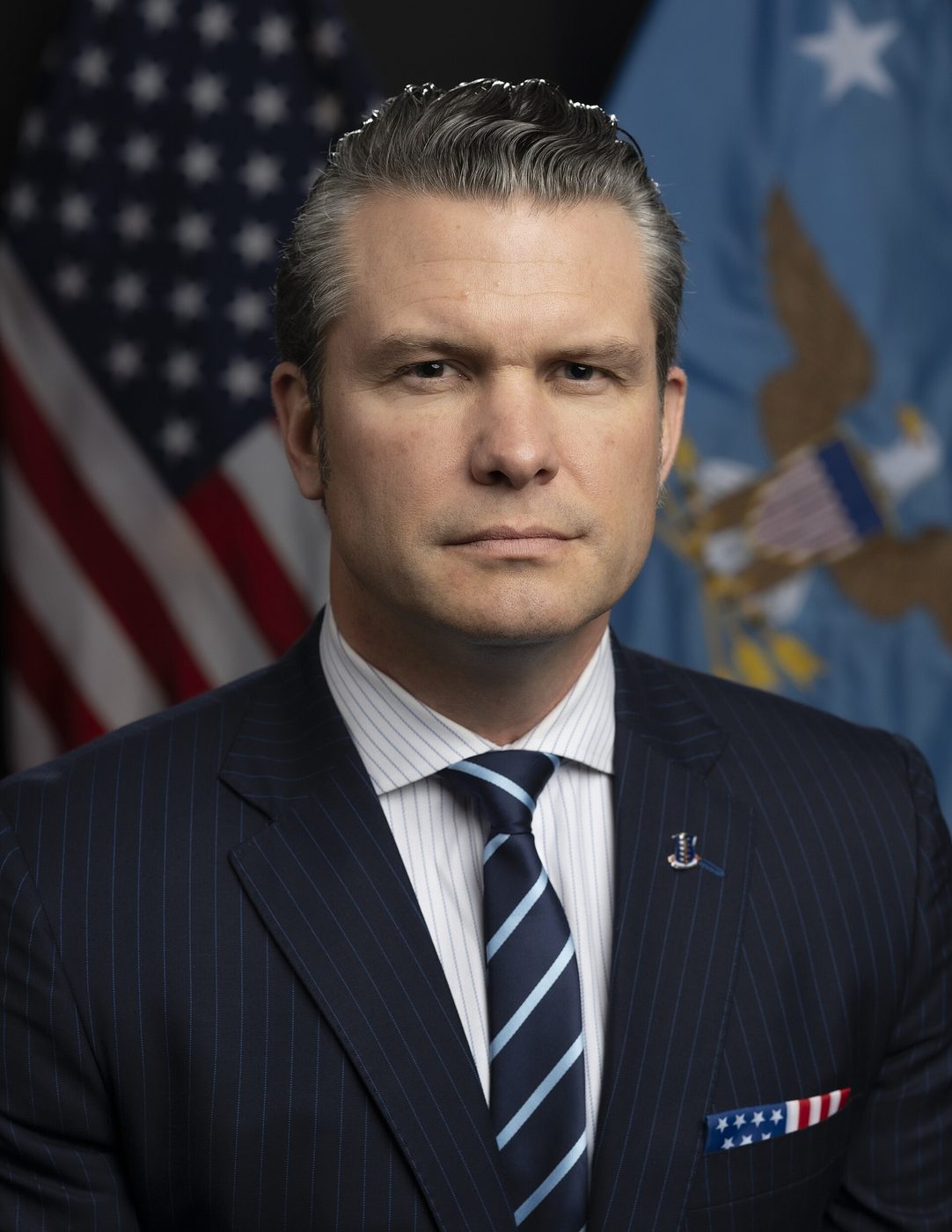
Secretary of State Marco Rubio has made the motive explicit. “President Trump will never allow the International Criminal Court to prosecute Americans,” he said on October 9. In a July op-ed he wrote: “It is only a matter of time before the ICC begins making good on these threats.” Those are statements about a feared future, not descriptions of a present case. Defense Secretary Pete Hegseth, speaking in Panama in August, warned that the “international left” was “plotting to unlawfully assert International Criminal Court jurisdiction over US and partner military personnel” in connection with the strikes on boats in the Caribbean and eastern Pacific.
Outside the court, there have been calls for prosecution. Colombia’s president, Gustavo Petro, used his September 2025 speech at the United Nations General Assembly to demand criminal proceedings against the U.S. officials responsible for the boat strikes, “including the highest-ranking official who gave the order.” The Iranian Red Crescent Society has written to the ICC prosecutor at least twice in 2026 asking for an investigation of U.S. strikes in Iran. A UN special rapporteur concluded in September 2026 that the boat strikes “plausibly constitute crimes against humanity.” None of those is an ICC decision. A head of state’s speech is a demand; a letter to the prosecutor is a communication the office is not obliged to acknowledge; a UN expert’s report is an opinion that, in this case, called for investigations by national authorities rather than by the ICC.
This article lays out that record in order: what the court is, why the United States never joined it, what the current administration has done to it, what the sanctions have and have not achieved, where calls for prosecution have come from, what the Rome Statute would actually allow, what precedent says about heads of state, and the long list of practical obstacles any case would face. It distinguishes throughout between a proposal or call, a formal filing, an official act and an observed outcome — because in this subject those four are routinely blurred.
What the record shows, in five lines
- No ICC case exists against the president or members of his administration (no preliminary examination, investigation, warrant request or warrant).
- U.S. sanctions are real and expanding: 17 individual and organizational designations through August 2026, and the court itself on October 9, 2026.
- Calls for prosecution are real but are not court actions: Colombia’s president, Iranian Red Crescent letters, UN experts and former officials.
- The law leaves a narrow opening: war crimes or crimes against humanity committed on the territory of a member state could in principle reach U.S. nationals; the crime of aggression cannot without a Security Council referral the United States can veto.
- Practice makes a trial improbable: the court cannot try anyone in absentia and depends entirely on states to make arrests.
The institution
What the International Criminal Court is — and is not
The International Criminal Court is a permanent court in The Hague created by a treaty, the Rome Statute, which was adopted on July 17, 1998, and entered into force on July 1, 2002. It is not a United Nations body, although it has a formal relationship with the UN. According to the UN Treaty Collection, 125 states are parties to the statute. The court tries individuals, not governments, for four categories of crime listed in Article 5: genocide, crimes against humanity, war crimes and the crime of aggression.
Two features of the court shape everything that follows. First, it is a court of last resort. Under Article 17, a case is inadmissible when a state with jurisdiction is genuinely investigating or prosecuting it. The ICC is meant to step in only when national systems are “unwilling or unable genuinely” to act — and the statute defines unwillingness to include proceedings undertaken “for the purpose of shielding the person concerned from criminal responsibility.”
Second, the court has no police. It cannot arrest anyone itself. Articles 86 through 89 require states that have joined the treaty to “cooperate fully” and to comply with requests for arrest and surrender, but the court has no way to compel a state that refuses other than to report the failure to its Assembly of States Parties or, in cases referred by it, to the UN Security Council. The court’s own figures, published on its “About the Court” page and checked for this article on October 12, 2026, show how much that matters: it has issued 68 arrest warrants, 23 people have been detained and appeared before it, and 34 remain at large. In 24 years of operation its judges have entered 15 convictions and 4 acquittals.
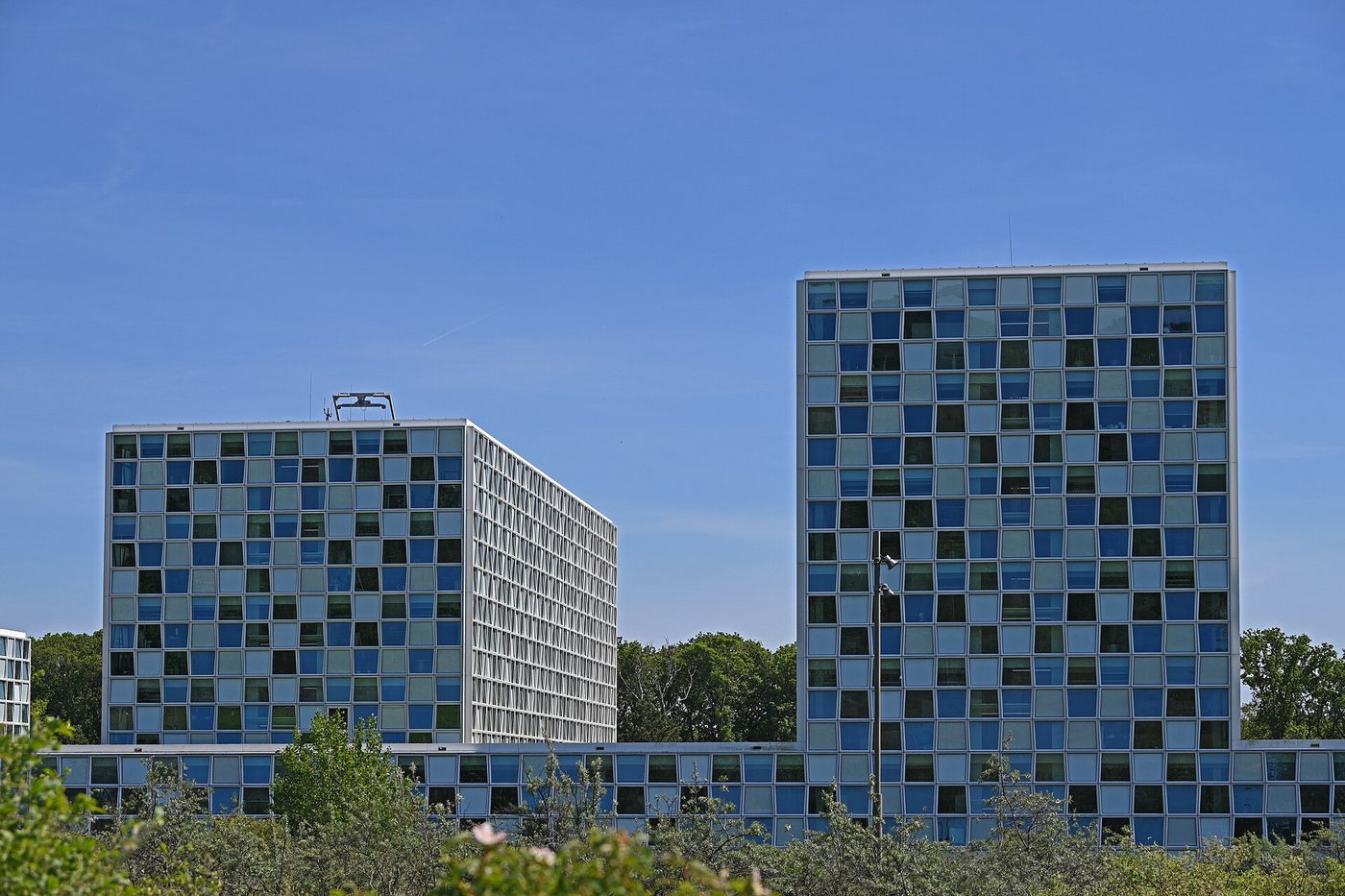
The court’s budget for 2026 is €196,852,900, and it employs more than 900 staff, according to the same page. That money funds every stage of the court’s work — investigators, prosecutors, judges, defense and victims’ counsel, witness protection and a detention center — across situations in Africa, Europe, Asia, the Middle East and Latin America. It is also money that moves through banks, which is why financial sanctions can reach the institution even though no U.S. agency can touch its judges directly.
Cases can begin in three ways, set out in Article 13. A state that has joined the treaty can refer a situation to the prosecutor. The UN Security Council, acting under Chapter VII of the UN Charter, can refer a situation. Or the prosecutor can begin on the office’s own initiative — in the statute’s Latin, proprio motu — on the basis of information received. That last route has a built-in check: under Article 15 the prosecutor must persuade a three-judge Pre-Trial Chamber that there is “a reasonable basis to proceed” before an investigation can formally open. Anyone can send the prosecutor information. Those submissions, known as Article 15 communications, number in the thousands; the office does not publish them and is under no obligation to act on any particular one.
The distinction between those stages matters because public debate often collapses them. A communication is information someone sends to the prosecutor. A preliminary examination is the office’s own public assessment of whether the legal criteria for an investigation are met. An investigation is the formal gathering of evidence, authorized by judges when the prosecutor acts on the office’s own initiative. An arrest warrant is issued by judges under Article 58 when there are “reasonable grounds to believe” a named person committed a crime within the court’s jurisdiction and an arrest “appears necessary.” A confirmation of charges hearing decides whether a case goes to trial. And a trial, under Article 63, requires the accused to be physically present. As of this writing, U.S. officials of the current administration are not at any of those stages in any situation before the court.
Background
Why the United States never joined
The United States helped negotiate the Rome Statute and then declined to ratify it. President Bill Clinton signed the treaty on December 31, 2000, the last day it was open for signature. His statement that day made clear he was not endorsing it in its current form: “Court jurisdiction over U.S. personnel should come only with U.S. ratification of the treaty,” he said, adding that he would “not, and do not recommend that my successor” submit it to the Senate “until our fundamental concerns are satisfied.”
His successor went further. On May 6, 2002, John R. Bolton, then under secretary of state, sent a short letter to UN Secretary-General Kofi Annan that is often called the “unsigning.” It read, in part: “the United States does not intend to become a party to the treaty. Accordingly, the United States has no legal obligations arising from its signature on December 31, 2000.” The letter is reproduced in a State Department press statement from that day and noted on the UN treaty status page.
Congress followed with the American Service-Members’ Protection Act of 2002, enacted as part of a supplemental appropriations law. Its findings state the core American objection in direct terms: the statute “creates a risk that the President and other senior elected and appointed officials of the United States Government may be prosecuted by the International Criminal Court.” The act bars U.S. courts and state and local agencies from cooperating with ICC requests, prohibits extraditing anyone to the court, and — in its best-known provision, 22 U.S.C. 7427 — authorizes the president “to use all means necessary and appropriate” to free any covered person “detained or imprisoned by, on behalf of, or at the request of” the court. Critics nicknamed it the “Hague Invasion Act.” The law defines “covered United States persons” to include “elected or appointed officials of the United States Government,” which means it already contemplates the scenario this article examines.
The same law contains a counterweight, the so-called Dodd amendment, which preserves the ability to help international efforts to bring foreign nationals to justice for genocide, war crimes or crimes against humanity. Congress widened that exception in December 2022 to allow assistance to the ICC’s investigations of foreign nationals in Ukraine, while adding that no such funds may support investigations of U.S. service members or other covered persons.
The first Bush administration also pursued bilateral “Article 98 agreements,” named for the provision of the Rome Statute that bars the court from requesting a surrender that would force a state to breach an international agreement with the person’s home country. A Congressional Research Service report from 2007 records that Angola became the 100th country to sign such an agreement on May 2, 2005. At the UN Security Council, Washington obtained Resolution 1422 in July 2002, adopted unanimously, which asked the court not to proceed against personnel from non-member states serving in UN-authorized operations for twelve months; Resolution 1487 renewed it in June 2003 by a vote of 12 to 0 with France, Germany and Syria abstaining. A third renewal was withdrawn in June 2004 when it lacked the votes, amid the Abu Ghraib revelations.
Hostility was never total. In 2005 the United States abstained rather than vetoing Resolution 1593, which referred Darfur to the ICC; its ambassador said Washington still “continued to fundamentally object” to jurisdiction over nationals of non-member states, but the text protected Americans. In 2011 the United States voted for Resolution 1970, which referred Libya. In 2013 the Congolese warlord Bosco Ntaganda walked into the U.S. Embassy in Kigali and asked to be sent to The Hague, and American officials facilitated the transfer; the court records his arrival in its detention center on March 22, 2013. That same year Congress expanded the State Department’s War Crimes Rewards Program to cover foreign fugitives sought by international tribunals, including the ICC.
The pattern, in short, has been consistent across administrations of both parties: the United States has been willing to support the court when it prosecutes others and unwilling to accept any possibility of the court’s jurisdiction over Americans. Where administrations have differed is in how hard they push back.
The precedent
The first round of sanctions, 2020–2021
The court’s Afghanistan investigation is the origin of the modern confrontation. Afghanistan joined the court in 2003, which gave the ICC jurisdiction over crimes committed on Afghan territory — including by Americans. On March 5, 2020, the court’s Appeals Chamber unanimously authorized the then prosecutor, Fatou Bensouda, to open a full investigation, reversing a 2019 decision by a lower chamber. The authorization covered alleged crimes by the Taliban, Afghan government forces and, potentially, U.S. armed forces and the CIA, including at detention sites in other member states.
The first Trump administration responded with Executive Order 13928 on June 11, 2020, which declared a national emergency over “any attempt by the ICC to investigate, arrest, detain, or prosecute any United States personnel without the consent of the United States.” On September 2, 2020, Secretary of State Mike Pompeo announced sanctions on Bensouda “for having directly engaged in an effort to investigate U.S. personnel” and on Phakiso Mochochoko, head of the prosecutor’s jurisdiction, complementarity and cooperation division, “for having materially assisted” her.
That episode ended quickly. On April 1, 2021, President Joe Biden revoked the order through Executive Order 14022, finding that “the threat and imposition of financial sanctions against the Court, its personnel, and those who assist it are not an effective or appropriate strategy.” The next day Secretary of State Antony Blinken announced that the sanctions on Bensouda and Mochochoko “have been lifted.” The Biden administration nonetheless restated longstanding U.S. objections to the court’s jurisdiction over Americans.
Later in 2021 the court changed course on its own. Karim Khan, a British barrister, took office as prosecutor in June 2021. On September 27, 2021, he announced that, given “the limited resources available to my Office,” he would “focus my Office’s investigations in Afghanistan on crimes allegedly committed by the Taliban and the Islamic State – Khorasan Province” and “deprioritise other aspects of this investigation.” His statement did not name the United States; the widely shared reading that “other aspects” meant U.S. forces, the CIA and the former Afghan government comes from contemporaneous press and nongovernmental commentary. He added that his office would “remain alive to its evidence preservation responsibilities.”
In July 2026, according to reporting by Middle East Eye, the Pre-Trial Chamber overseeing Afghanistan asked the prosecutor to separate the Taliban gender-persecution case into its own investigation, noted that the broader investigation “has been dormant for years,” and pointed the office to a regulation that would allow it to request closure of that part of the record. On October 5, 2026, the court unsealed arrest warrants against four Taliban officials. Nothing located for this article shows that the American portion has been formally closed; its status is best described as deprioritized and dormant, not terminated.
The second round
Executive Order 14203: the legal engine of the campaign
The current administration’s actions all flow from one document. Executive Order 14203, “Imposing Sanctions on the International Criminal Court,” was signed on February 6, 2025, and published in the Federal Register on February 12. It invokes the International Emergency Economic Powers Act, the National Emergencies Act, section 212(f) of the Immigration and Nationality Act and the president’s general delegation authority.
The order’s findings set out the government’s position. “The ICC has, without a legitimate basis, asserted jurisdiction over and opened preliminary investigations concerning personnel of the United States and certain of its allies, including Israel, and has further abused its power by issuing baseless arrest warrants targeting Israeli Prime Minister Benjamin Netanyahu and Former Minister of Defense Yoav Gallant.” It also states flatly: “The ICC has no jurisdiction over the United States or Israel.” On that basis the president declared that “any effort by the ICC to investigate, arrest, detain, or prosecute protected persons … constitutes an unusual and extraordinary threat to the national security and foreign policy of the United States.”
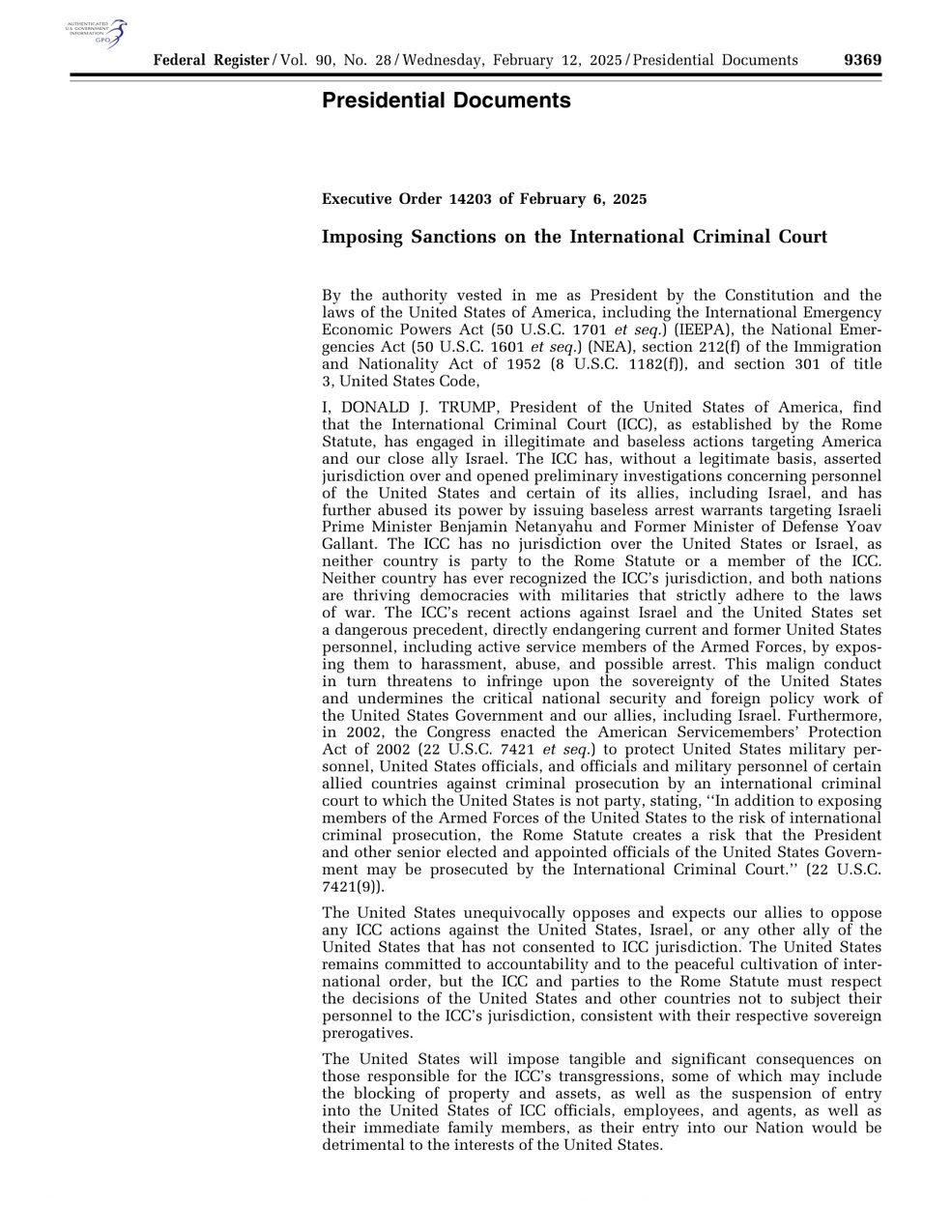
The mechanics are standard for U.S. sanctions programs. Section 1 blocks the property and interests in property within U.S. jurisdiction of any person listed in the annex, and of any foreign person the secretary of state determines “to have directly engaged in any effort by the ICC to investigate, arrest, detain, or prosecute a protected person without consent of that person’s country of nationality,” or to have materially assisted such an effort, or to be owned or controlled by, or acting for, someone already blocked. Section 3 bars Americans from providing funds, goods or services to or for blocked persons. Section 4 suspends entry into the United States for designated individuals and their immediate families.
The definition of “protected person” in section 8(d) is broad. It covers U.S. persons, including current and former members of the armed forces and current and former government officials, and it extends to citizens and residents of U.S. allies — NATO members and major non-NATO allies — that have not consented to ICC jurisdiction. That second category is how the order reaches the Netanyahu and Gallant warrants: Israel, a major non-NATO ally, has not accepted the court’s jurisdiction.
The order’s annex named one person: Karim A.A. Khan, then the court’s prosecutor. The Treasury Department’s Office of Foreign Assets Control added him to its Specially Designated Nationals list on February 13, 2025. Every later designation was made under the order’s general criteria. On July 1, 2025, Treasury published dedicated implementing rules, the ICC-Related Sanctions Regulations at 31 C.F.R. Part 528. On January 20, 2026, the president continued the national emergency for another year, as the National Emergencies Act requires for emergencies to remain in force.
One phrase in the order deserves attention: it says the court “opened preliminary investigations concerning personnel of the United States.” That refers to the Afghanistan matter, which began as a preliminary examination in 2006 and became an authorized investigation in 2020. It does not describe any examination of the current administration, and the order does not claim one.
Congress
The bill that passed the House and stalled in the Senate
Congress moved before the executive order did. On January 9, 2025, the House passed H.R. 23, the Illegitimate Court Counteraction Act, which would have required sanctions on anyone who assists ICC efforts against protected persons. The official roll call, House Roll Call 7, records 243 votes in favor, 140 against, one member voting “present” and 50 not voting. By party, according to the clerk’s tally, Republicans voted 198 to 0 with one “present,” and Democrats split 45 in favor and 140 against. This article does not attribute a vote to any individual member; readers who want to know how a particular representative voted should consult the clerk’s roll call directly.
The Senate did not follow. On January 28, 2025, a motion to invoke cloture on proceeding to the bill failed, 54 to 45, with one senator absent; cloture requires three-fifths of senators. No further Senate action on H.R. 23 was found for this article. The executive order, signed nine days later, accomplished much of what the bill would have done, and without the need for sixty Senate votes. No 2026 legislation on the ICC was found to have advanced in either chamber.
The congressional record is a reminder that the confrontation is not purely an executive project. A majority of the House endorsed sanctions on the court in principle. But it is also a reminder that the policy has never been made into a statute beyond the 2002 protection act. Sanctions under an executive order can be withdrawn by the next president with a signature, as Executive Order 14022 demonstrated in 2021.
The sanctions list
Seventeen designations, then the court itself
Between February 2025 and August 2026, the State Department designated people and organizations under the order in six rounds, with the Treasury Department adding them to the sanctions list. The State Department has described the total as seventeen persons before the court itself was designated; the ICC, counting only its own officials, says thirteen “independent Judges and prosecutors” were targeted. Both numbers are consistent with the designations below, drawn from the Office of Foreign Assets Control’s “recent actions” notices and the State Department’s announcements.
| Date | Designated | Role | Reason given by the State Department |
|---|---|---|---|
| Feb. 13, 2025 | Karim A.A. Khan | ICC prosecutor (removed by the Assembly of States Parties, July 2026) | Named in the order’s annex |
| June 5, 2025 | Judges Solomy Balungi Bossa and Luz del Carmen Ibáñez Carranza | Appeals judges | Ruled to authorize the Afghanistan investigation of U.S. personnel |
| June 5, 2025 | Judges Reine Alapini Gansou and Beti Hohler | Pre-trial / trial judges | Ruled to authorize the Netanyahu and Gallant warrants |
| July 9, 2025 | Francesca Albanese | UN special rapporteur on the occupied Palestinian territory | “Lawfare” targeting U.S. and Israeli persons |
| Aug. 20, 2025 | Judges Kimberly Prost and Nicolas Guillou; deputy prosecutors Nazhat Shameem Khan and Mame Mandiaye Niang | Judges; deputy prosecutors | Afghanistan and Israel-related decisions (per-person reasons partly from reprints of the State fact sheet) |
| Sept. 4, 2025 | Al Haq; Al Mezan Center for Human Rights; Palestinian Centre for Human Rights | Palestinian nongovernmental organizations | Engagement with the ICC concerning Israel |
| Dec. 18, 2025 | Judges Gocha Lordkipanidze and Erdenebalsuren Damdin | Appeals judges | Participation in the Dec. 15, 2025 appeals ruling on Israel (as characterized by the State Department) |
| Aug. 18, 2026 | ICC President Tomoko Akane; senior trial lawyer Abdoulaye Seye | President of the court; prosecutor’s office | Part of a campaign to “dismantle the ICC” |
| Oct. 9, 2026 | International Criminal Court | The institution | “The United States is sanctioning the International Criminal Court” |
Source and method: OFAC recent-actions notices of Feb. 13, June 5, Aug. 20 and Sept. 4, 2025, Dec. 18, 2025, Aug. 18 and Oct. 9, 2026, and the corresponding State Department releases; the July 9, 2025 Albanese designation from the State Department release. Reasons are the State Department’s characterizations, not findings of fact. Where the State fact sheet could not be loaded, the reason comes from reprints and is marked. Count: 9 judges + 4 members of the prosecutor’s office + 1 UN rapporteur + 3 organizations = 17.
Source: OFAC recent-actions notices and State Department releases listed above. Period: Feb. 2025 – Oct. 2026. Unit: number of individuals and organizations designated, cumulative. Method: each designation counted once on its OFAC listing date; the Oct. 9, 2026 entity designation is shown separately because it is an institution, not a person. Limitation: the count reflects public designations only and does not measure visa restrictions or effects on family members.
The pattern of the list tells its own story. The early designations targeted people the State Department connected to specific decisions: the judges who authorized the Afghanistan investigation and those who approved the Netanyahu and Gallant warrants. Later rounds widened to people around the court — the UN rapporteur Albanese and three Palestinian human-rights groups that had submitted information to the prosecutor. The August 2026 round reached the court’s president, Tomoko Akane, a Japanese judge, whose role is largely administrative. And the October 2026 designation of the court as an entity removes the distinction between the institution and its officials altogether.
October 9, 2026
Sanctioning an institution
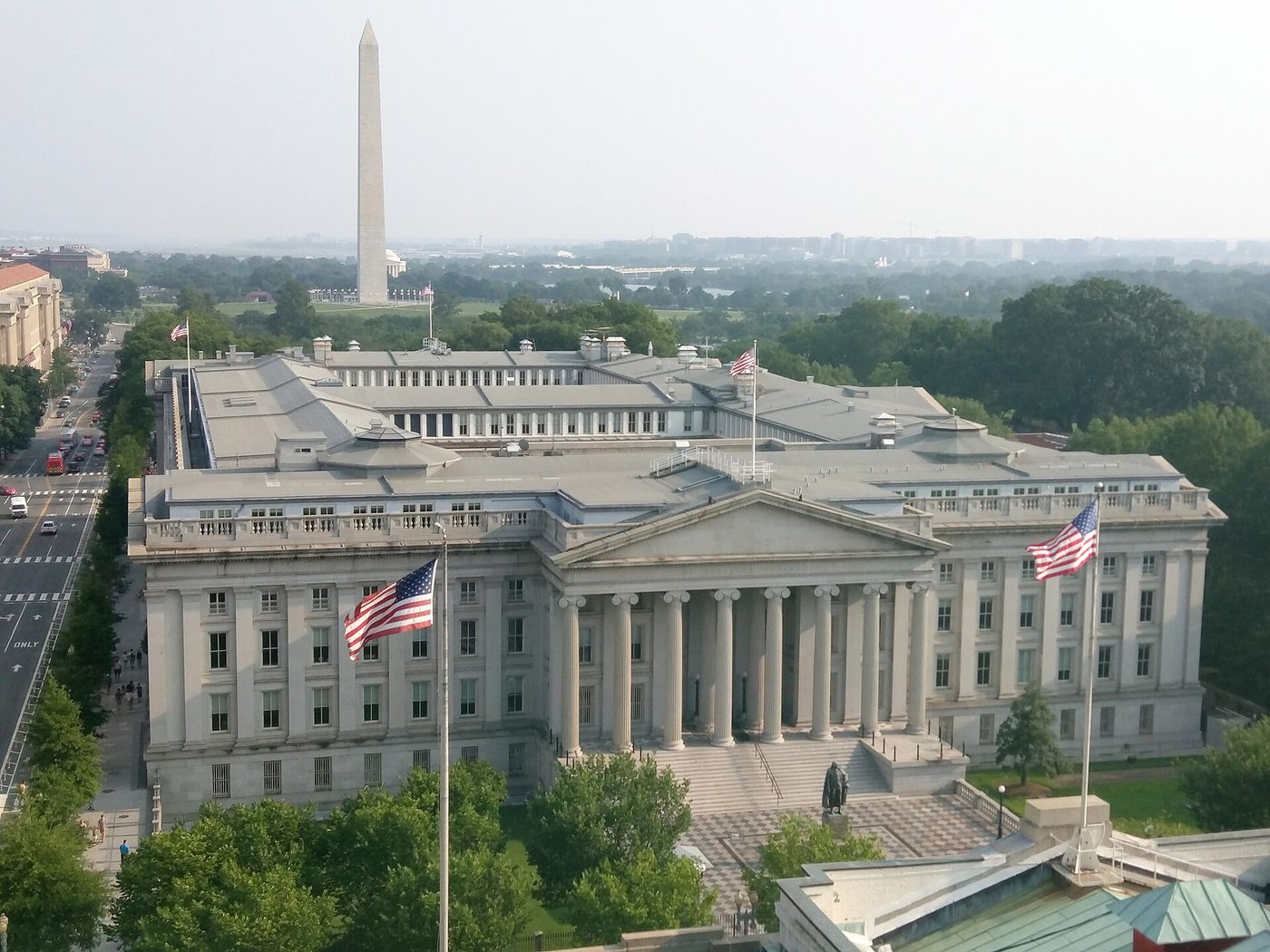
The designation of the International Criminal Court itself is, as the court put it, “unprecedented.” The Treasury’s notice of October 9, 2026, added the court to the Specially Designated Nationals list under the order’s criteria for persons who have directly engaged in efforts against protected persons. Alongside it, Treasury issued four general licenses, numbered 13 through 16, that carve out time-limited or narrow permissions — for the court’s ongoing operations for 180 days, for information-technology and software services, for pensions, and for matters relating to people held in the court’s detention center.
The State Department’s fact sheet explained the 180-day window directly: it “is intended to provide time for States Parties to demonstrate meaningful progress on diplomatic and legal resolutions that address fundamental U.S. concerns regarding the ICC.” In other words, the license is leverage. Rubio’s accompanying statement was blunter: “We will ban transactions with this rogue court, cutting off their resources and crippling its ability to operate.” He added: “Either the ICC will end its threats, or we will end the ICC,” and promised to continue “to dismantle the ICC, brick by brick, until Americans are threatened no longer.”
The court answered the same day. “It is an assault on the rule of law and on the very foundations of the international legal order which strikes at the simple principle that no one stands above the law,” its statement said. The court’s president, Judge Akane — herself designated in August — said the court “will continue to fully discharge its mandate, with independence and impartiality, acting only on the basis of the law and the evidence, for the sake of the countless victims of grave crimes.” On October 10 the bureau of the Assembly of States Parties called for “the immediate revocation of these sanctions.”
The practical effect of an entity designation is to make the court a counterparty that banks, software providers, insurers and suppliers with any U.S. exposure must avoid, unless a license covers the transaction. Reports that specific providers have cut off the court since October 9 were circulating as this article was finalized but could not be confirmed against primary sources and are not repeated here. Earlier reporting gives a sense of what such pressure looks like: in May 2025 the Associated Press, citing court staff, reported that Khan had lost access to his Microsoft email account after his designation; Microsoft later told a UK parliamentary committee that the court itself had suspended the account. By October 2025 a court spokesperson had confirmed reports that the ICC was moving from Microsoft Office to openDesk, a German open-source suite.
The designation also has a diplomatic purpose that the State Department has not hidden. In July 2026 a department official told CNN: “Nations that refuse to reject the ICC’s false authority while relying on US assistance are likely to come under increased scrutiny.” The message to the court’s 125 member states is that support for the institution may carry costs in their own relationships with Washington.
Inside U.S. courts
Lawsuits against the sanctions
The sanctions have generated litigation inside the United States, and the plaintiffs are not only foreign officials. In Smith v. Trump, two American human-rights advocates, Matthew Smith and Akila Radhakrishnan, argued that the order unlawfully chilled their ability to communicate with the court. On July 18, 2025, a federal district court in Maine granted a preliminary injunction barring the government from penalizing them for their ICC-related communications, according to Columbia University’s Global Freedom of Expression case database. The identity of the judge and the outcome of later motions could not be confirmed for this article.
On June 24, 2026, three of the designated judges — Kimberly Prost, Solomy Balungi Bossa and Reine Alapini Gansou — sued the administration in federal court in Manhattan, arguing the measures are unlawful, Al Jazeera reported. On August 11, 2026, Human Rights Watch and three other organizations filed their own federal suit seeking to strike down the sanctions. None of those cases had produced a final judgment by October 12, 2026.
The litigation matters for a reason beyond the individual plaintiffs. The emergency-powers statutes that underpin the order give the executive wide latitude, and courts have historically deferred to foreign-policy judgments. But the order also touches speech by U.S. persons and the rights of Americans who work with the court, and the preliminary injunction in Maine shows that at least some of its reach can be tested on constitutional grounds.
The trigger
What Washington says it fears
If no case exists, why the escalation? The administration’s own statements point to three concerns. The first is the existing record: the Afghanistan authorization, which the State Department cited when it designated the two appeals judges in June 2025, and the Netanyahu and Gallant warrants, which it cited for two others. The second is the court’s legal theory that it can act against nationals of countries that never joined, so long as the conduct took place on the territory of a member state. The third — the one officials have spoken about most in 2026 — is U.S. military action abroad since early 2025.
Rubio’s July 2026 op-ed, published by the U.S. mission to the UN agencies in Rome under the headline “Why we’re dismantling the ICC,” argued that the court had threatened American service members and officials and that “it is only a matter of time before the ICC begins making good on these threats.” He promised that the United States would “dismantle the ICC—brick by brick, if necessary.” In August 2026, announcing the designation of the court’s president, he said the administration “stands ready to take additional measures, if necessary, to systematically dismantle the ICC until it is incapable of threatening American sovereignty.”
Read carefully, these statements describe a future risk the administration intends to prevent, not a present proceeding. The October 2026 State Department materials give general reasons for the entity designation — the department said it would not allow the court to prosecute American “servicemembers,” “Border Patrol agents” or “elected leaders” — but they identify no ICC filing, examination or warrant request concerning a current U.S. official. A Reuters report that the sanctions were intended in part to forestall accountability for overseas military action was described in other coverage but could not be located in its original form for this article and is not relied on here.
The boat strikes
The strikes at sea that changed the conversation
The single subject most often linked to possible ICC exposure is the series of U.S. military strikes on boats in the Caribbean and the eastern Pacific that began in September 2025. The administration describes the targets as vessels run by drug-trafficking organizations. Critics, including UN officials, describe them as killings outside any armed conflict recognized by international law.
The UN High Commissioner for Human Rights, Volker Türk, said on October 31, 2025, that the strikes “violate international human rights law.” In a report released September 21–22, 2026, the UN special rapporteur on counterterrorism and human rights, Ben Saul, concluded that the strikes “plausibly constitute crimes against humanity,” counting at least 223 people killed in 68 strikes between September 2025 and August 2026, according to Al Jazeera’s summary of the report. Notably, Saul called for investigations by national authorities — not for ICC action. Luis Moreno Ocampo, the court’s first prosecutor, has also described the strikes as crimes against humanity; he speaks as a private commentator, not for the court.
Formal complaints about the strikes have gone to other forums. In December 2025 the family of a man killed in a strike filed a petition with the Inter-American Commission on Human Rights naming Hegseth. A federal lawsuit was filed in Massachusetts in January 2026, according to later reporting. Research for this article found no publicly reported Article 15 communication to the ICC prosecutor naming U.S. officials over the strikes — though because the office does not publish communications, an unpublicized submission cannot be ruled out.
Hegseth’s August 2026 warning in Panama, as reported by Al Jazeera, was that the “international left” was “plotting to unlawfully assert International Criminal Court jurisdiction over US and partner military personnel,” and that “there is no legitimate basis for the ICC’s lawless power grab.” He urged regional partners to reject the court. Time magazine had reported in July that the ICC had “not opened a formal investigation” into U.S. conduct in the strikes, and Al Jazeera’s report on Hegseth’s remarks noted that the court “has not announced any investigation into US military actions in Latin America.”
Whether the ICC could even consider the strikes is a genuinely open legal question. Under Article 12(2)(a) of the statute, the court can act when the conduct occurs “on the territory” of a member state — and the article extends that to crimes committed on board a vessel or aircraft registered in a member state. The strikes have taken place in international waters, so the question would turn on the registration — the “flag” — of each boat, which has not been publicly established. Analysts writing in War on the Rocks in January 2026 identified the flag question as the hinge of any jurisdictional claim.
Venezuela
A member state at the center of the dispute — for now
Venezuela is the jurisdictional fact that makes the U.S. concern less hypothetical. It is a party to the Rome Statute, which means conduct on its territory falls within the court’s potential reach regardless of the nationality of the people involved. On January 3, 2026, U.S. forces captured Venezuela’s president, Nicolás Maduro, in Caracas in an operation that included airstrikes on military sites, according to PBS NewsHour and the Associated Press. Maduro was flown to the United States to face federal charges.
Venezuela has since moved to leave the court. It notified the UN secretary-general of its withdrawal on July 24, 2026; under Article 127 the withdrawal takes effect one year later, on July 24, 2027, according to the UN depositary notice. The Assembly of States Parties’ presidency responded on August 7 that withdrawal “does not relieve a State Party of obligations arising during the period in which it remained a Party.” Article 127(2) adds that withdrawal does not prejudice “the continued consideration of any matter which was already under consideration by the Court” before it takes effect — the provision that allowed the court to keep jurisdiction over Rodrigo Duterte after the Philippines left.
There is also a Venezuela file the court has closed. In February 2020 the Maduro government referred to the prosecutor a situation it called the effects of U.S. economic sanctions on Venezuela since 2014 — the matter known as “Venezuela II.” On March 12, 2026, the prosecutor’s office concluded that there was “no reasonable basis to initiate an investigation.” That is the only state referral concerning U.S. conduct that the court has ever received, and it ended without a case. It concerned sanctions policy, not the 2025–2026 military actions.
The court’s separate, longstanding investigation into the Venezuelan government’s own conduct — “Venezuela I” — is a different matter and does not concern U.S. officials.
Calls and communications
Who has asked for prosecution — and what they actually did
Several actors have urged accountability for U.S. officials. Each is a call or a filing, not an act of the court.
Colombia’s president. At the UN General Assembly on September 23, 2025, Gustavo Petro called for criminal proceedings against the U.S. officials responsible for the boat strikes, “including the highest-ranking official who gave the order.” A Snopes review of the speech noted that he did not name the ICC, though a reference to The Hague was implied. Colombia is a member of the court and could refer a situation under Article 14, but no Colombian referral was found.
The Iranian Red Crescent Society. After the United States and Israel launched strikes on Iran on February 28, 2026 — the start of a war that has continued intermittently, according to regional reporting — the society wrote to the prosecutor in March 2026 asking for an investigation of U.S. attacks. It sent another letter on September 3, 2026, about a September 2 strike on a wedding party at Kuhestak. Its leadership has claimed the prosecutor “accepted” its documents as evidence; the prosecutor’s office has made no such statement, and the claim is unverified. Iran is not a member of the court, so jurisdiction over conduct on Iranian territory would require Iran to lodge a declaration accepting jurisdiction under Article 12(3). The nongovernmental group DAWN urged Iran in March 2026 to do exactly that, retroactive to February 28; no such declaration was found.
UN officials and former court officials. As described above, the UN human-rights chief and a special rapporteur have called the boat strikes unlawful, and a former ICC prosecutor has called them crimes against humanity. These are significant statements of legal opinion. They do not start cases.
Deportations. Venezuela’s attorney general urged the ICC in July 2025 to investigate the treatment of Venezuelan migrants deported by the United States to El Salvador’s CECOT prison. That request, and a separate complaint a Venezuelan foundation announced, were aimed at Salvadoran officials, including President Nayib Bukele — not at U.S. officials. Whether the foundation’s complaint was actually filed could not be confirmed.
The distinction matters because coverage of these episodes has sometimes described them as ICC “cases” or “probes” of U.S. leaders. They are not. A communication may become the basis for a preliminary examination if the prosecutor decides the legal criteria might be met, but the office reviews thousands of them, and most never produce any public step.
- CommunicationIranian Red Crescent letters (Mar. & Sept. 2026). Any boat-strike submissions: none publicly reported.
- Preliminary examination“Venezuela II” (U.S. sanctions) — closed Mar. 12, 2026: no reasonable basis.
- Authorized investigationAfghanistan (since 2020) — U.S. aspects deprioritized in 2021; described by judges as dormant.
- Arrest warrantNone sought or issued for any U.S. official.
- Confirmation & trialNone. Trial requires the accused to be present (Art. 63).
Sources: ICC situation pages for Afghanistan and Venezuela II; prosecutor’s statement of Sept. 27, 2021; Middle East Eye (Aug. 7, 2026) on the Pre-Trial Chamber’s order; Consortium News and Al Jazeera on the Red Crescent letters. Method: each known U.S.-related matter placed at the furthest procedural stage it has publicly reached. Limitation: the prosecutor does not publish communications, so unpublicized submissions cannot be counted.
The law
What the Rome Statute would allow
Set the politics aside and the legal question is narrower than either side’s rhetoric suggests. Could the ICC, in principle, prosecute a sitting U.S. president or a senior official? For some crimes, in some places, yes. For others, no.
Territory, not nationality. The key provision is Article 12(2). It allows the court to exercise jurisdiction, in cases begun by a state referral or by the prosecutor, if either “the State on the territory of which the conduct in question occurred” or “the State of which the person accused of the crime is a national” is a party. Because the first condition is enough on its own, the consent of the suspect’s home country is not required. This is the basis on which the court issued warrants for Israel’s prime minister despite Israel not being a member: the judges held that Palestine, a member since 2015, supplied territorial jurisdiction over Gaza and the West Bank. The United States has long rejected this theory as applied to non-members; the executive order’s statement that the court “has no jurisdiction over the United States” reflects that view.
No immunity for office. Article 27 is categorical: the statute “shall apply equally to all persons without any distinction based on official capacity,” and official capacity “as a Head of State or Government … shall in no case exempt a person from criminal responsibility.” Its second paragraph adds that immunities attaching to official capacity “shall not bar the Court from exercising its jurisdiction.” The court’s Appeals Chamber, ruling in the al-Bashir case in May 2019, went further, finding no head-of-state immunity “vis-à-vis an international court” in customary international law.
Responsibility up the chain. Article 25(3) makes a person responsible not only for committing a crime but for one who “orders, solicits or induces” it. Article 28 extends responsibility to commanders and to civilian superiors who knew, or “consciously disregarded information which clearly indicated,” that subordinates were committing crimes and failed to take reasonable measures to prevent or punish them. Those are the provisions under which senior officials, rather than only those who pull triggers, can be charged.
The aggression gap. The crime of aggression — “the planning, preparation, initiation or execution” of a manifestly unlawful use of force “by a person in a position effectively to exercise control over or to direct the political or military action of a State” — is the crime most obviously aimed at leaders. But Article 15 bis(5) closes the door on non-members: “In respect of a State that is not a party to this Statute, the Court shall not exercise its jurisdiction over the crime of aggression when committed by that State’s nationals or on its territory.” The only route around that limit is a referral by the UN Security Council under Article 15 ter — and the United States holds a veto there. A special session of the Assembly of States Parties in July 2025 considered amendments to narrow this gap and did not adopt them, scheduling another review for 2029. So whatever one thinks of the Venezuela operation or the strikes on Iran under the UN Charter, the ICC cannot prosecute U.S. officials for aggression over them.
War crimes and crimes against humanity. Those two categories carry no such limit. If U.S. conduct on the territory of a member state — or on a vessel registered in one — met the definitions in Articles 7 and 8, the court could in principle consider it. That is the legal space the administration is trying to close through pressure on members.
Complementarity. Under Article 17, a genuine U.S. investigation would make an ICC case inadmissible. Only proceedings found to be a sham — undertaken “for the purpose of shielding the person concerned” — or the absence of any proceeding would leave room for the court.
| Route | Statute | Could it reach U.S. officials? | Main barrier |
|---|---|---|---|
| Referral by a member state | Arts. 13(a), 14, 12(2)(a) | Yes, for war crimes or crimes against humanity on a member’s territory or vessel | Political cost to the referring state; U.S. pressure |
| Prosecutor’s own initiative | Arts. 13(c), 15 | Yes, same crimes, with judges’ authorization | Resources; office currently led by deputies under sanction |
| Security Council referral | Art. 13(b) | Yes, any crime including aggression | U.S. veto |
| Crime of aggression without the Council | Art. 15 bis(5) | No — barred for non-members | Statute text |
| Declaration by a non-member (e.g. Iran) | Art. 12(3) | Possibly, for conduct on that state’s territory | No declaration lodged |
| Security Council deferral | Art. 16 | (Stops a case) 12 months, renewable | Needs 9 votes and no veto |
Source: Rome Statute, consolidated text published by the ICC; UN Charter Art. 27(3) for Security Council voting. This table summarizes legal routes; it is not a prediction of any proceeding.
Inside the court
A prosecutor removed, an office run by deputies under sanction
Any assessment of the court’s capacity to take on the United States has to account for what happened inside the prosecutor’s office in 2025 and 2026. On May 16, 2025, Karim Khan took leave pending the outcome of an investigation by the UN Office of Internal Oversight Services into allegations of sexual misconduct, which he has denied. His two deputies, Nazhat Shameem Khan of Fiji and Mame Mandiaye Niang of Senegal, took over the office’s leadership.
The process that followed was contested. The Assembly of States Parties’ presidency confirmed in December 2025 that it had received the oversight office’s fact-finding report. In March 2026 an external panel of judges reviewed it; according to Khan’s lawyers, the panel found that the findings “do not establish misconduct.” On June 8, 2026, the assembly’s bureau suspended Khan by a qualified majority and referred the matter to the full assembly. At a special session in New York on July 24, 2026, the assembly voted by secret ballot. Its press release states that it “adopted a decision, by secret ballot, by an absolute majority of 82 States Parties, finding that Mr. Karim Khan committed serious misconduct and serious breach of duty and removed him from office under article 46 of the Rome Statute.” The assembly’s president said afterward that the oversight office “found that there was evidence supporting the allegations” and that the panel’s report “did not exonerate Prosecutor Khan.” Because the ballot was secret, no record shows how any individual state voted.
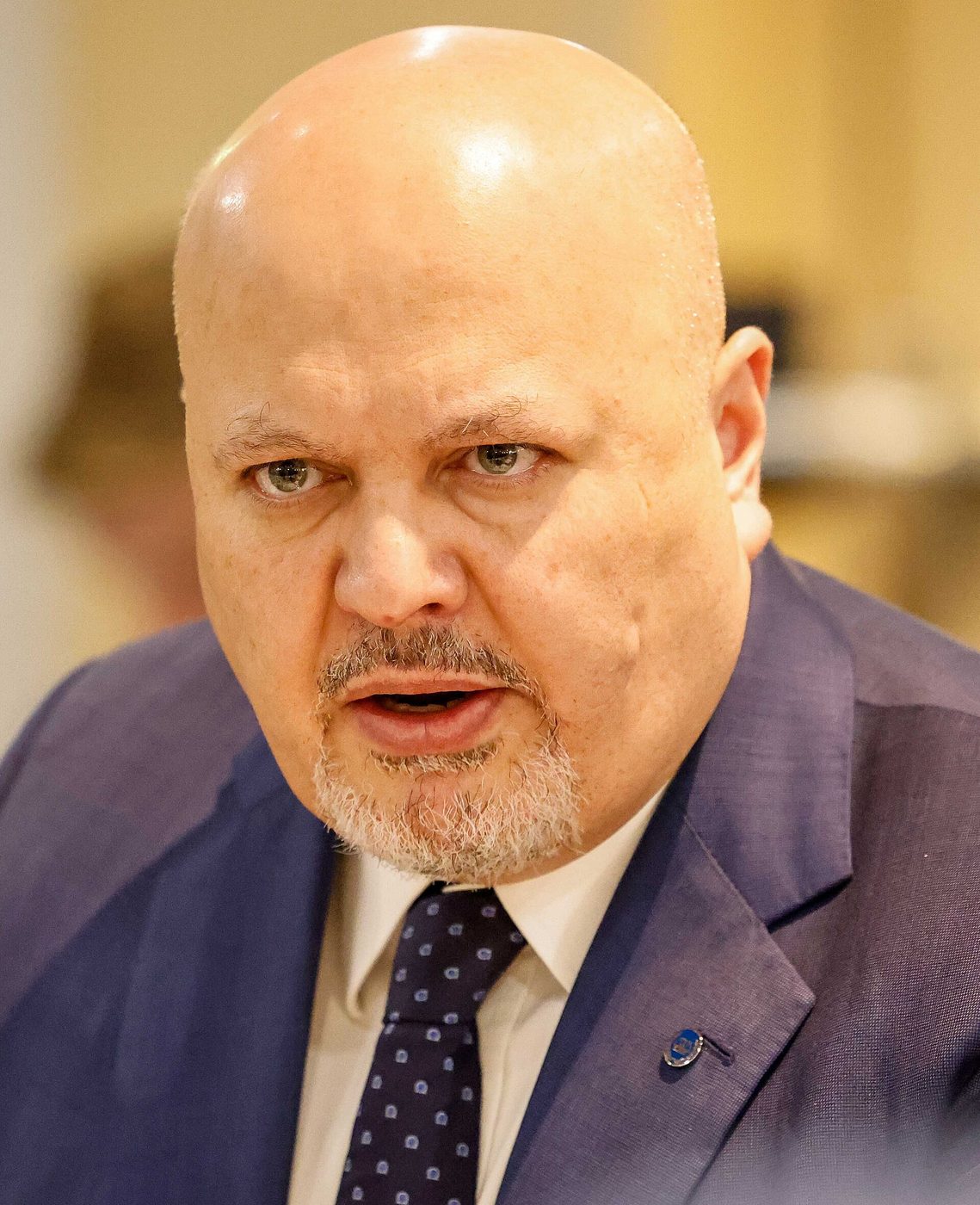
The result is an office without an elected chief prosecutor, led by two deputies who are themselves designated by the United States, and operating under an institution-wide sanction since October 9. The removal and the sanctions are separate matters — the misconduct process concerned allegations about Khan’s personal conduct, not U.S. policy — but together they bear directly on the question of whether the court could open a case involving the world’s most powerful country. Opening a new proprio motu investigation would require the office to dedicate scarce staff and money, persuade a Pre-Trial Chamber whose judges include several sanctioned members, and accept the consequences for the institution’s banking and technology access.
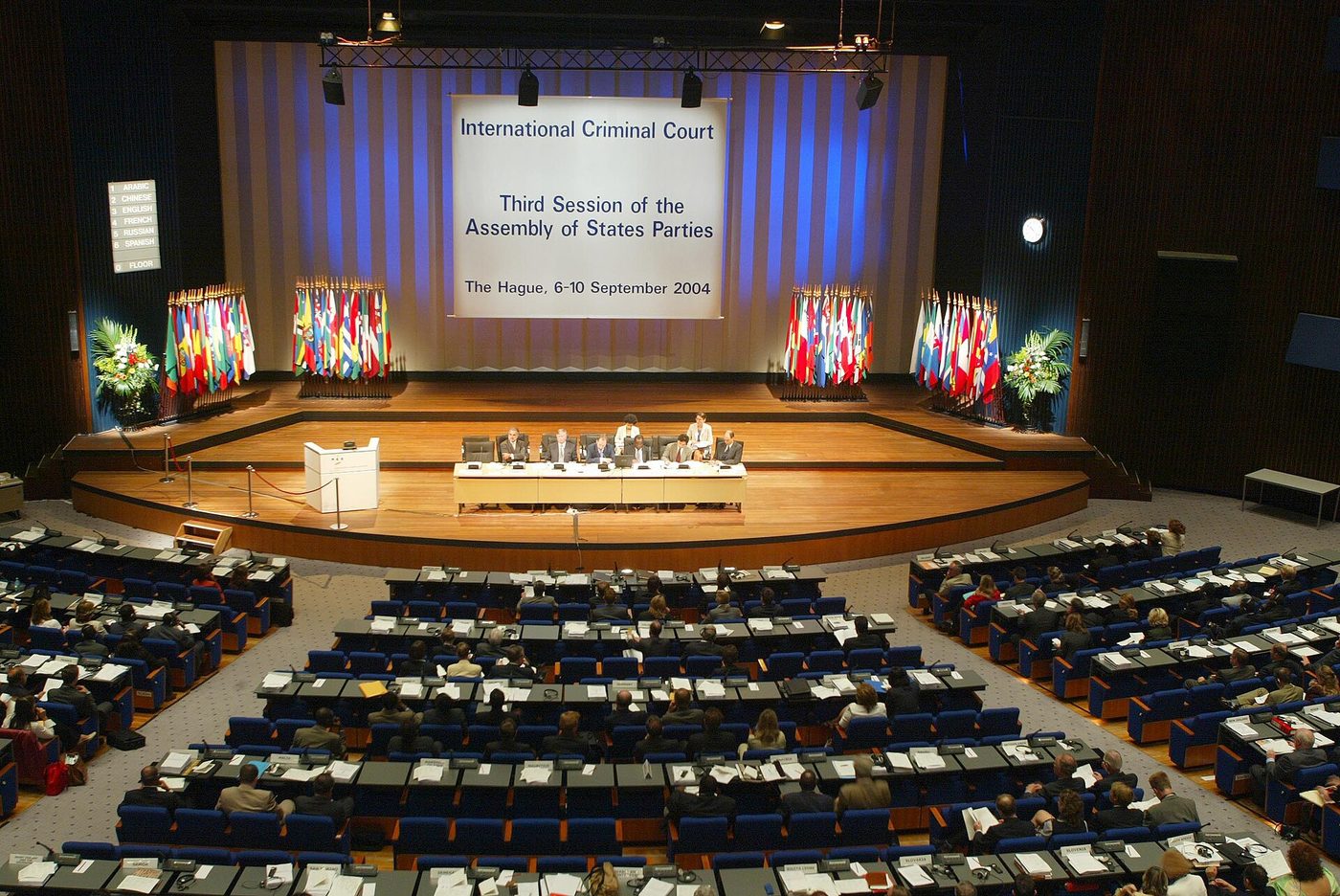
The assembly is where the court’s member governments act together, and its record during the sanctions campaign has been consistent: statements from its presidency objecting to the designations in June, August and December 2025, and the bureau’s October 2026 call for revocation. It is also the body to which the court reports states that fail to cooperate, and the body that elects judges and the prosecutor. The election of Khan’s successor, which had not taken place as of the sources reviewed for this article, will be one of the most consequential decisions the assembly makes in this period.
Precedent
What happened when the court charged other leaders
The court has charged sitting and former heads of state before. Its record shows both what the statute permits and how much depends on politics and geography.
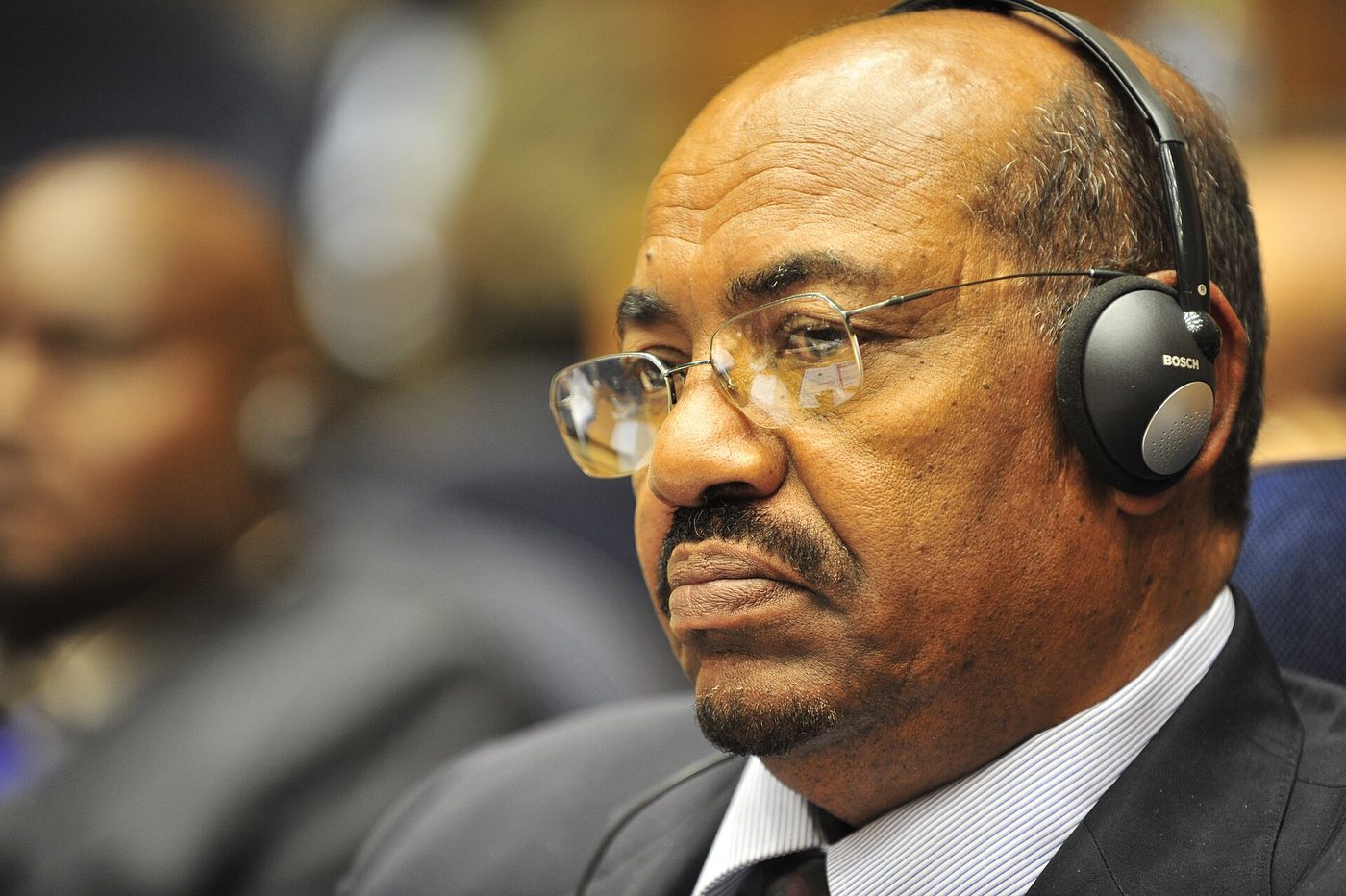
Omar al-Bashir, Sudan. Sudan has never been a member. The court reached its president through a Security Council referral of Darfur in 2005. Judges issued warrants on March 4, 2009, and July 12, 2010, for genocide, crimes against humanity and war crimes. Al-Bashir continued to travel, including to member states that declined to arrest him. In its May 6, 2019, judgment concerning Jordan’s failure to arrest him, the Appeals Chamber held that there is “neither State practice nor opinio juris that would support the existence of Head of State immunity under customary international law vis-à-vis an international court.” Seventeen years after the first warrant, the court’s case page still reads: “The suspect is still at large.” He was ousted by his own military in 2019 and has not been surrendered.
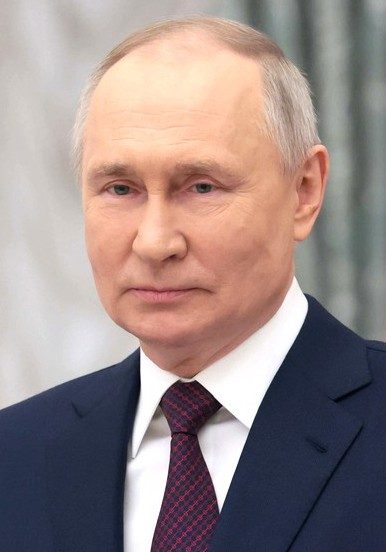
Vladimir Putin, Russia. Russia is not a member; Ukraine accepted the court’s jurisdiction and later joined. On March 17, 2023, judges issued a warrant for Putin over the unlawful deportation and transfer of children from occupied Ukraine. When Putin visited Mongolia, a member, in September 2024 without being arrested, the Pre-Trial Chamber found on October 24, 2024, that Mongolia had failed to comply and referred it to the assembly, reaffirming “that personal immunity, including that of Heads of State, is not opposable before the ICC.” The finding had no further practical consequence for Putin.
Benjamin Netanyahu and Yoav Gallant, Israel. On November 21, 2024, Pre-Trial Chamber I issued warrants for Israel’s prime minister and its former defense minister, ruling that “the acceptance by Israel of the Court’s jurisdiction is not required” because Palestine supplied territorial jurisdiction. Israel’s challenges have been litigated since; the Appeals Chamber rejected one Israeli appeal on December 15, 2025, a ruling the State Department cited when it designated two more judges three days later. The warrants remain in force. This is the precedent closest to the American situation — a close U.S. ally, a non-member, and jurisdiction founded on territory — and it is the one the executive order names.
Rodrigo Duterte, the Philippines. The Philippines withdrew from the court effective March 17, 2019, but the court kept jurisdiction over crimes committed while it was a member. Judges issued a warrant on March 7, 2025; Duterte, a former president, was arrested in Manila and surrendered to the court on March 12, 2025. On April 23, 2026, Pre-Trial Chamber I unanimously confirmed three counts of crimes against humanity, and his trial is scheduled to open on November 30, 2026. His case shows that political change at home — not The Hague’s own power — is usually what delivers a former leader to the court.
Others. The case against Libya’s Muammar Gaddafi, referred by the Security Council in 2011 with U.S. support, ended when he was killed later that year. Kenya’s Uhuru Kenyatta was summoned while a candidate and became president during the proceedings; the charges were withdrawn for insufficient evidence and the case was terminated in March 2015. Côte d’Ivoire’s Laurent Gbagbo was surrendered by his own country’s new government, tried, and acquitted, with the acquittal confirmed on appeal in March 2021.
The pattern is instructive for the American question. The statute’s rule that office provides no immunity is real and has been applied. But no sitting head of state has ever been arrested on an ICC warrant. Every leader who has appeared in The Hague arrived after losing power, and in each case it was a state — usually the leader’s own — that made the arrest.
Practical limits
Why a trial of a U.S. official is improbable even if a case were opened
Even assuming a prosecutor opened an investigation and judges issued a warrant, several obstacles would stand between that paper and a courtroom.
Presence. Article 63(1) is short: “The accused shall be present during the trial.” The court can hold a confirmation-of-charges hearing without a suspect who has fled or cannot be found, under Article 61(2), but it cannot convict anyone who is not in its custody.
Arrest. Only member states are obliged to arrest. A U.S. official who did not travel to any of the 125 member states would never be at risk. One who did would face the possibility that a member honored a warrant — a possibility that, in practice, depends on that country’s domestic politics, its relationship with Washington, and Article 98, which bars the court from requesting a surrender that would force a state to breach immunity obligations or an agreement with the person’s home country. The United States signed bilateral agreements of exactly that kind with about 100 countries in the early 2000s.
U.S. law. The 2002 protection act authorizes “all means necessary and appropriate” to free covered persons held by or for the court, and bars every federal, state and local agency from cooperating with it. No president would surrender a member of his own administration, and the statute forbids it in any case.
The Security Council. Article 16 allows the Council to suspend any investigation or prosecution for twelve renewable months. That cuts both ways: the United States could seek a deferral but would need nine votes and no veto from another permanent member, while any Council referral that could expand the court’s reach — including on aggression — could be vetoed by the United States.
Capacity. The court has 34 suspects at large on outstanding warrants, an unelected prosecutor, a 2026 budget under €200 million, and now an institution-wide U.S. sanction affecting its access to banking and technology. Taking on the United States would compete for the same resources as cases against suspects the court has a realistic chance of trying.
None of that makes a case impossible. A warrant with no arrest can still restrict travel and carry political weight, as the Putin and Netanyahu warrants show. But the realistic near-term outcome of any U.S.-related proceeding would be symbolic and diplomatic, not a trial.
At home
Domestic accountability and the immunity question
Complementarity means that the first question in any ICC matter is what the home country is doing. In the United States the main tool is the War Crimes Act, 18 U.S.C. 2441, which applies to war crimes committed “inside or outside the United States” where the perpetrator or victim is a U.S. national or service member, or the perpetrator is present in the United States. It defines war crimes by reference to grave breaches of the 1949 Geneva Conventions and certain violations of common Article 3. Prosecution requires a written certification by the attorney general or a senior Justice Department official that it “is in the public interest,” and that certification is “not subject to judicial review.” In practice the statute has rarely been used.
For the president in particular, two further limits apply. The Justice Department’s Office of Legal Counsel concluded in 2000 that indicting or prosecuting a sitting president “would unconstitutionally undermine the capacity of the executive branch to perform its constitutionally assigned functions.” And in Trump v. United States (2024), the Supreme Court held that a former president has “absolute immunity from criminal prosecution for actions within his conclusive and preclusive constitutional authority,” “at least presumptive immunity from prosecution for all his official acts,” and “no immunity for unofficial acts.”
Those domestic doctrines do not bind the ICC — Article 27 says immunities “shall not bar the Court” — but they shape the complementarity analysis. If no U.S. proceeding is possible against a president for official conduct, that absence is precisely what the statute treats as leaving room for the court. That is the legal logic the administration objects to, and it is one reason the dispute is so difficult to resolve through negotiation.
The response abroad
Allies defend the court in words; the next test is action
The October 9 designation drew an unusually broad response. A joint statement from the United Kingdom, Denmark, France, Germany, Italy, the Netherlands, Canada and Japan backed the court, Al Jazeera reported. UN Secretary-General António Guterres’s spokesperson called the move “a serious blow to our collective pursuit of international criminal justice, of which the ICC is a key pillar.” Belgium’s foreign minister, Maxime Prévot, said: “Belgium is calling for the activation of the EU Blocking Statute to protect the court.” The Dutch prime minister, Rob Jetten, whose country hosts the court, said: “We will do whatever we need to defend the ICC.” The European Commission called the sanctions “deeply regrettable” and said there was “room for dialogue.”
The EU Blocking Statute, a 1996 regulation, forbids EU companies from complying with listed foreign sanctions and allows them to recover damages. Adding the ICC measures to its annex would set up a direct legal conflict for European banks and technology firms that also do business in the United States. As of October 12, 2026, no decision to do so had been found; the commission had said only that it was ready to take any necessary measures.
Membership has moved in both directions. Hungary notified its withdrawal in June 2025 and then, on May 29, 2026, withdrew that notification, so it remains a member. Niger, Burkina Faso and Mali gave notice in June 2026 of withdrawals that take effect in June 2027. Venezuela’s withdrawal takes effect in July 2027. The court’s membership of 125 is unchanged for now, but the direction of those notices is one measure of the pressure on it.
What to watch
Six things that would change the answer
- A public step by the prosecutor’s office on a U.S.-related matter — an announced preliminary examination, or a request to judges to authorize an investigation. Either would be the first formal move toward U.S. officials since 2020.
- A state referral. A member such as Colombia or Venezuela (before July 2027) referring conduct on its territory would require the prosecutor to consider it.
- An Article 12(3) declaration by Iran accepting jurisdiction over conduct on its territory.
- The fate of the Afghanistan file. A formal closure of the U.S.-related aspects would remove the one authorized investigation that reaches U.S. personnel; a revival would do the opposite.
- The 180-day license and the EU response. General License 13 runs out in about April 2027. Whether the court can keep operating, and whether Europe uses its Blocking Statute, will decide how much the sanctions bite.
- The election of a new prosecutor, and the outcome of the lawsuits by the judges and by human-rights groups in U.S. federal court.
The bottom line
A conflict over a case that does not exist — yet
The headline version of this story — that the International Criminal Court wants to prosecute the president of the United States — is not what the record shows. The court has taken no step against him or his officials. What the record does show is a government that has decided the possibility is serious enough to justify sanctioning nine judges, the court’s prosecutors, its president and finally the institution itself; a set of foreign leaders, UN experts and civil-society groups pressing for accountability over the boat strikes and the war with Iran; and a treaty whose text leaves a real but narrow opening — war crimes and crimes against humanity on a member’s territory — while closing the door on aggression.
Between the threat and the courtroom stand an absent defendant, a statute that forbids trial in absentia, a national law authorizing “all means necessary” to prevent a transfer, a Security Council veto, and a court whose prosecutor has been removed and whose deputies are under sanction. Those facts make a prosecution of a sitting U.S. president improbable. They do not make the confrontation unimportant: what is being decided in 2026 is whether a court built on the principle that office provides no immunity can survive the opposition of the country that most often insists it should.